Spoiler warning: this article reveals important events in the game’s story.
Explore the history of every GTA
Anywhere City and a deliberately ambiguous identity
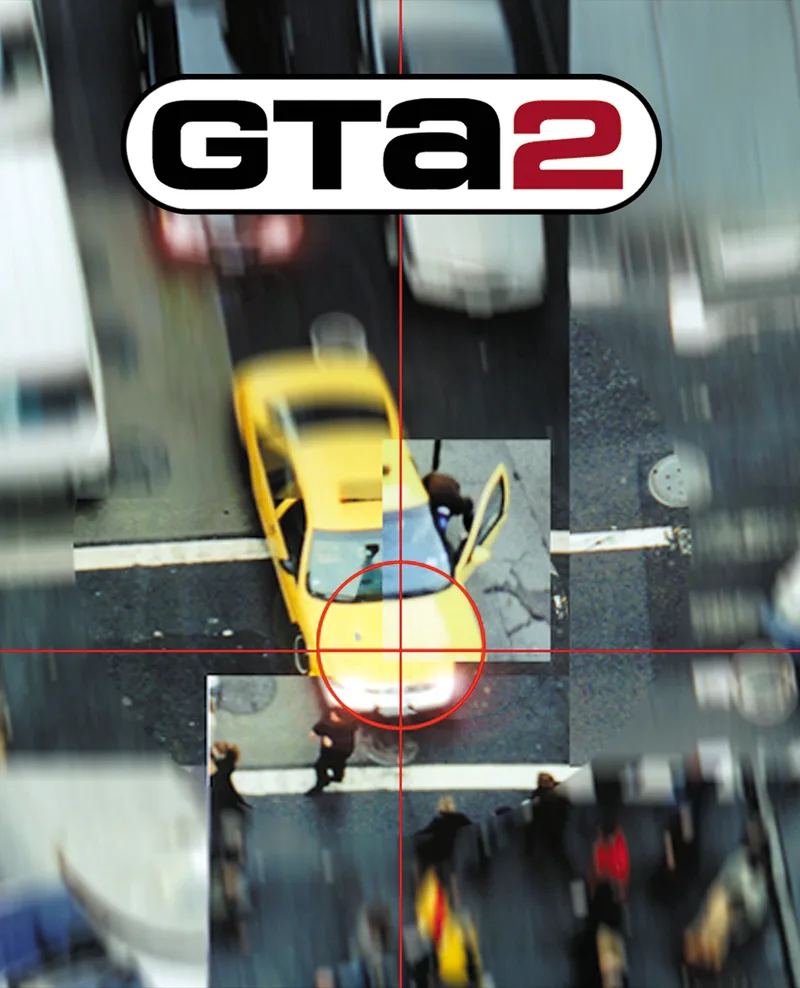
Developed by DMA Design and published by Rockstar Games in 1999, GTA 2 moves the action to Anywhere City. Its story again follows a criminal career through jobs and districts, using a retrofuturistic style rather than the original’s three familiar cities. The setting mixes references from different periods, making it unwise to present one precise story year as beyond dispute. The essential premise is a city divided among rival organisations, rather than a date that supposedly explains its entire world.
Who Claude Speed is, and a common confusion
The promotional campaign includes a live-action film associated with the name Claude Speed. That identity frequently appears in accounts of GTA 2, but it does not automatically make him GTA III’s Claude. The games belong to different narrative eras and universes. GTA 2 itself offers limited personal introspection: the criminal is understood mainly through work performed for employers. An invented relationship with Catalina is unnecessary to explain his role or his importance to the series.
The seven gangs and the respect system
Zaibatsu operates across the districts, alongside organisations including the Yakuza, Loonies, Rednecks, Scientists, Russian Mafia and Hare Krishna. The decisive change is that working for one gang affects how its rivals regard the player. Respect unlocks assignments, while attacking a faction can make its territory hostile. Story and rules reinforce one another: advancement means choosing whom to benefit and accepting the consequences of harming another group. These are more than different colours applied to otherwise interchangeable missions.
How the campaign progresses and ends
Players accumulate enough money to move through the city’s districts, combining gang assignments with freedom on the streets. Relationships can culminate in attacks from gang bosses themselves, so prosperity does not guarantee protection. There is no single elaborate final dilemma comparable to GTA IV or GTA V: resolution follows the structure of clearing districts and surviving criminal conflict. Recognising that difference makes it easier to judge the game on its own terms without inventing a dramatic storyline it never told.
Development, versions and the road to GTA III
DMA retained the overhead camera while developing the urban presentation, lighting and gang systems. Windows and PlayStation versions arrived in 1999; Dreamcast and Game Boy Color followed with different technical adaptations. Historically, it refines the original formula before GTA III’s 2001 leap. Faction respect and territorial hostility reveal a direction the series would revisit in other forms, even though the next major change was a three-dimensional city and a more cinematic narrative.