What changes: escaping a description, not just a patrol
GTA 6’s police are presented as responding to information reported about a crime and its suspects. In IGN’s Rob Nelson interview, republished on October 7, witnesses, alarms and identification are part of the explanation. Edge’s October 29 feature adds a pursuit demonstration involving a canine unit. We have not tested the final game: this guide organises those references and explains their logic without promising an infallible escape method.
Crime, report and response are different stages
Nelson’s starting point is that someone witnesses the crime or an alarm triggers a report. That does not mean every off-camera action is safe: information may exist that the player has not noticed. The useful distinction concerns timing. Committing an action, generating a report and encountering a patrol need not happen at the same instant. A future guide should explain how it identifies each stage rather than inferring the process from an edited clip.
What we know about clues and identification
The interview demonstration connects police perception to details such as the vehicle and travelling as a pair. Separate two questions: where officers think you are and which characteristics they use to recognise you. Losing one reference does not necessarily remove others. This is a conceptual explanation, not a numerical game formula. We have not verified each detail’s duration or whether every element carries equal weight. The described icons should not become a universal “invisibility” meter in a guide.
Wanted levels and Heat: why they should not be conflated
Preview terminology is not always used consistently across summaries. A responsible guide should distinguish response intensity, known suspect information and the risk of returning to an area. We do not publish a star-by-star table assigning vehicles, weapons and arrival times: the sources reviewed do not provide a complete final matrix. If a future listing uses “Heat”, it should explain the state it means and show the context in which it changes.

K9 units: what one scene establishes and what remains open
Edge describes a canine intervention during the demonstration. That observation adds a concrete element to the pursuit discussion, but does not explain all its parameters. It establishes no universal detection range, appearance frequency or minimum level. Nor does it justify importing tracking-dog rules from another game. A future test should ask what information the unit perceives, what feedback the player receives and under which circumstances tracking can be interrupted. Those questions remain open here.
Vehicles: speed does not necessarily remove identification
As an analytical framework, speed and recognition are separate problems. A car may help movement while remaining a reference associated with an incident. Nelson’s interview illustrates why changing vehicles can affect perception. That does not turn every change into automatic history deletion. We provide no invented list of undetectable cars, magic workshops or plates that remove every consequence. A reliable route would require testing initial conditions, difficulty, vehicle and build version, then repeating the result.
Jason and Lucia: coordination does not establish co-op
Information about two protagonists supports a discussion of coordination, but does not establish two-controller co-op. The interview discusses how travelling together affects identification and player choices during the demonstration. We do not turn those observations into multiplayer instructions. Our Jason and Lucia profiles cover their backgrounds. This guide focuses on police pursuit, rather than predicting relationship changes or revealing story consequences.

How to assess a future step-by-step escape guide
A useful test should record five things: the initial incident, visible on-screen information, the route, actions changing identification and the final state. It should also show whether returning triggers another response. That protocol is an editorial proposal, not a confirmed mission. Treat “always works” claims based on cropped clips cautiously. Reproducibility matters more than a spectacular escape, especially when traffic, bystanders and circumstances can vary between attempts.
FAQ about GTA 6 police
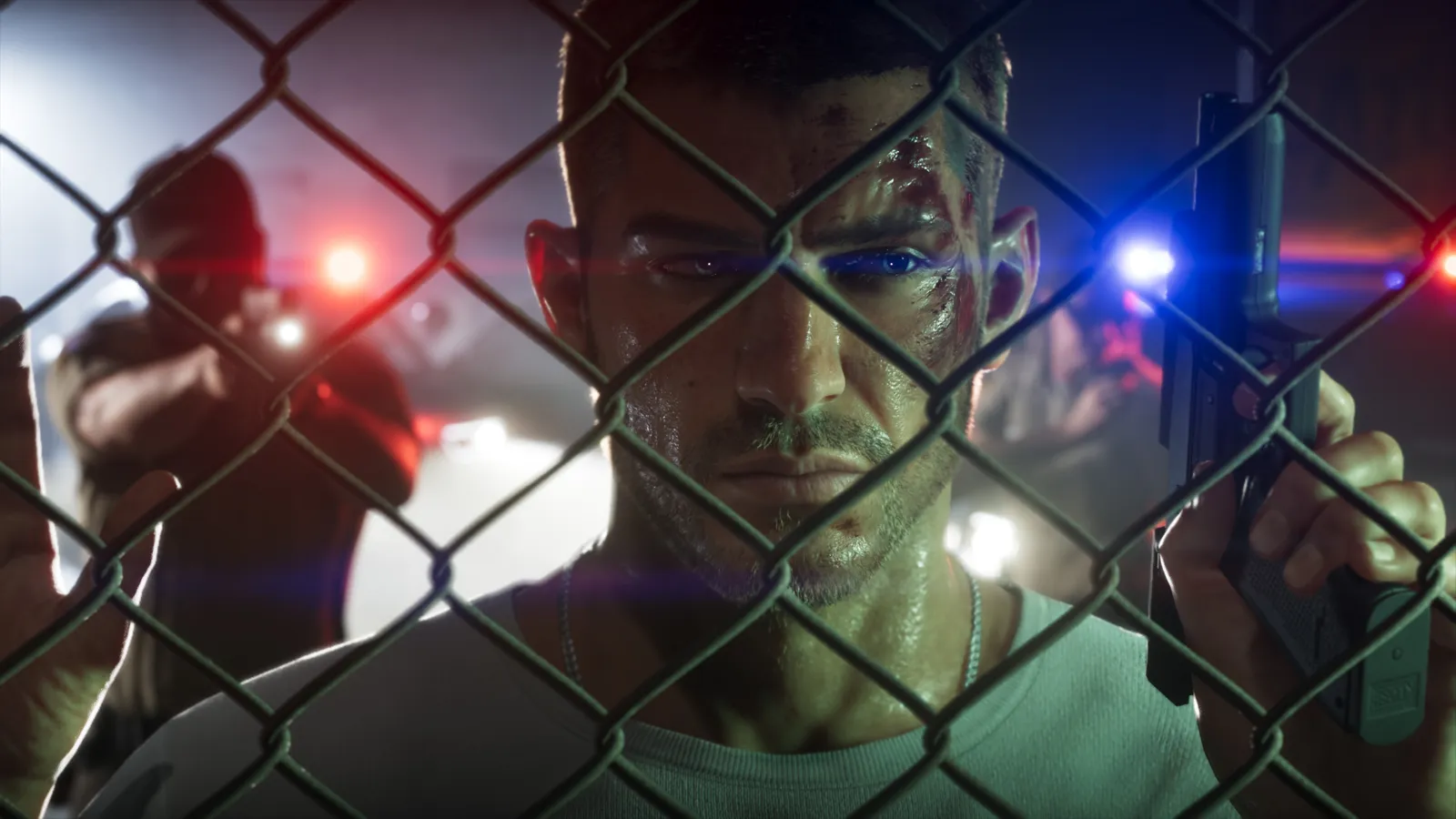
Does changing clothes guarantee escape? We make no such guarantee: a demonstration does not cover every condition. Does leaving sight remove every consequence? Do not assume so; location and identification are different dimensions. Do canine units always appear? Edge’s scene establishes no frequency. Are there confirmed wanted-clearing cheats? We provide no unverified codes. Does this apply to GTA Online? No: the references concern campaign previews. Do the images mark routes? They are official illustrations, not tactical maps or our own test results.
Sources and information status
Reviewed October 29, 2026. The main references are Rachel Weber’s Rob Nelson interview, published in full by IGN in October and read on Best Buy, and Simon Parkin’s October 29 Edge feature. This article discusses parameters not officially confirmed by Rockstar Games: tracking range, timings, unit frequency and final identification rules, which we do not treat as known. Reported observations are separated from our interpretation; we have not played the final version.