
The short answer: context, not limitless simulated people
GTA 6 NPCs are presented as characters whose reactions depend on context, with differences in temperament and behaviour. That is the direction described in Simon Parkin’s Edge feature, published on October 29, 2026. It does not establish complete biographies, permanent memories or unlimited conversations for every pedestrian. This guide examines what that approach could mean and what evidence is still missing, rather than converting the project’s ambition into guaranteed features.
What AI means when discussing an NPC
NPC means non-player character. Here, AI describes the logic used to select actions: walking, responding, moving aside or participating in an encounter. That differs from a conversational assistant generating text. A convincing response can combine animation, sound, behavioural rules and environmental conditions. Seeing a different reaction does not by itself identify the technology producing it. We therefore do not promise chatbots or generated dialogue when the sources reviewed do not announce them.
Personality and situation answer different questions
A useful reading of the preview separates who a character is from what is happening around them. Temperament can influence a reaction, while context provides reasons for the same person to behave differently. As an analytical example, a quiet disagreement and a visible threat are not the same situation. This does not confirm a precise personality table or aggression percentages. It offers a way to assess whether observed behaviour remains coherent across comparable scenes.
Districts matter without defining every resident
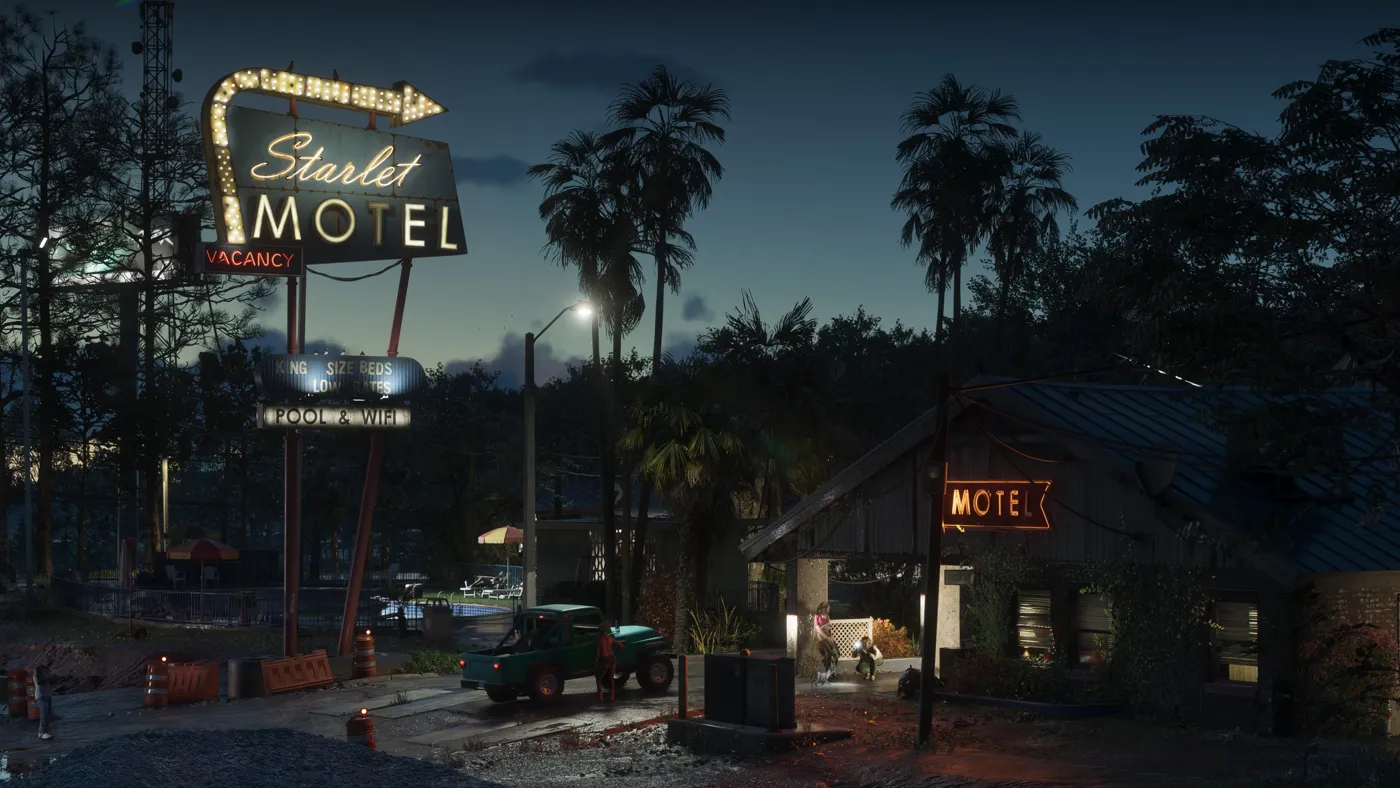
The IGN interview, republished by Best Buy, describes the work behind populating districts and towns. That invites readers to assess variety more carefully than simply counting pedestrians. An area can communicate identity through clothing, activities and environmental design. However, one district screenshot does not establish how all its residents behave. Nor can an example from Vice City automatically be applied everywhere in Leonida. Geography and behaviour are related but different questions.
Animation does not measure intelligence or population
An animation represents a movement or transition. An animation-resource count is not the number of simultaneous people, spoken lines or possible decisions. One gesture may need variations for posture, objects and context. When reading project figures, check the unit being counted before comparing them. A more useful criterion is continuity: whether a response starts convincingly and connects with the next action without breaking the scene.
Emergent encounters: surprises within rules
An emergent system produces situations from interacting elements. It does not mean every event is random or that authored content disappears. When analysing a sequence, ask what started the encounter, which choices remained available and what ended it. That framework helps distinguish interaction from a cinematic scene. This is not a confirmed-event checklist or an activation route: without access to the final version, such instructions would be invented.
How to assess NPC memory without exaggerating it
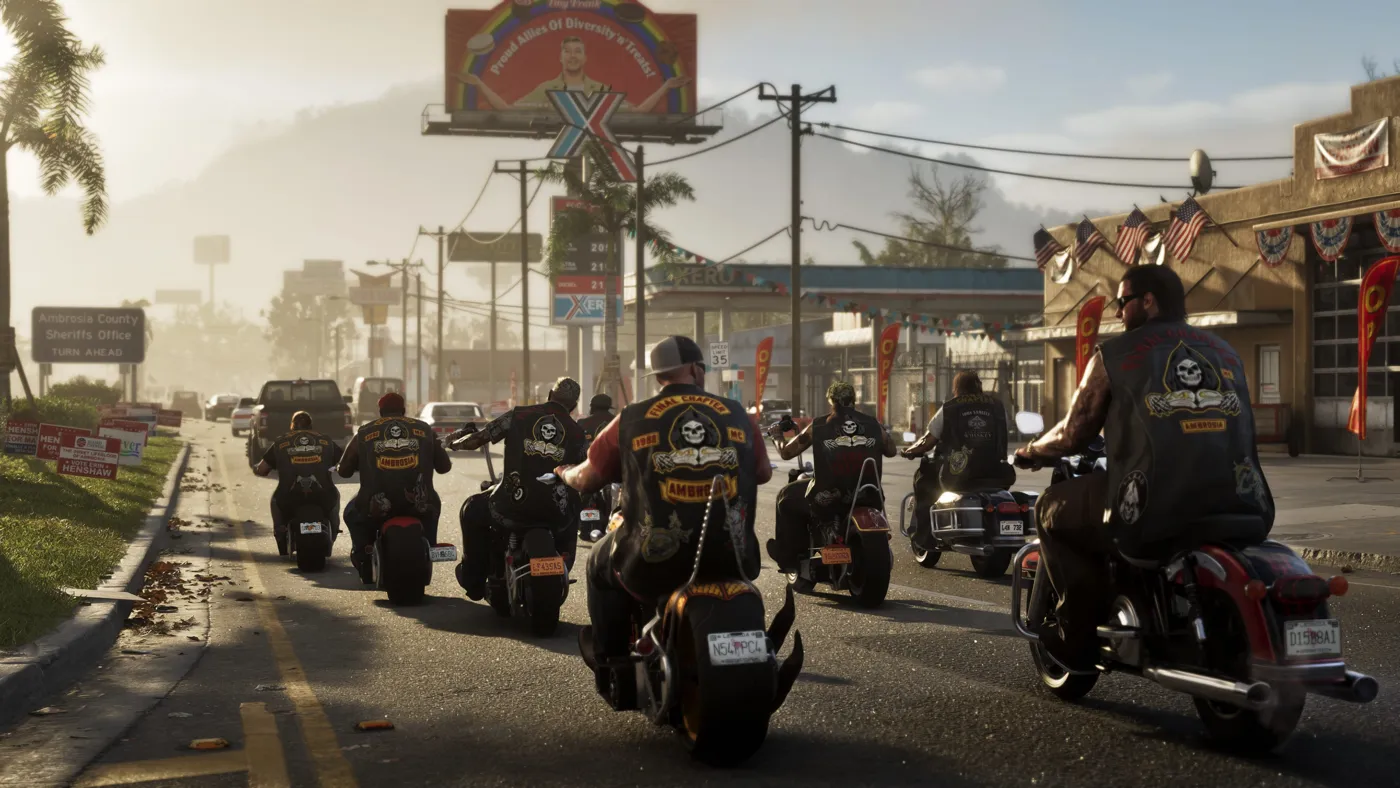
The query “NPCs remember you” can refer to several mechanisms: recognising an immediate threat, maintaining a state during an encounter or retaining information between visits. These are not interchangeable. Convincing evidence would identify the same character, vary elapsed time and explain which earlier action matters. An edit showing two similar-looking people is insufficient. The previews reviewed do not establish a universal memory duration, so we publish no undocumented timings, distances or permanent rules.
What to examine when playable testing exists
For a future review, we propose four checks: repeat an interaction under similar conditions; observe whether bystanders react to information they could perceive; check whether a character can leave an encounter; and distinguish behavioural changes from animation variations. These are editorial criteria, not promised features. A useful test explains its limits, build version and whether the scene was repeated. The city need not produce a spectacular reaction every minute to feel convincing.
FAQ: NPCs, AI and multiplayer
Will every NPC be unique? The sources describe variety, not a complete identity and life for every visible figure. Can you freely converse with anyone? We have not verified an announcement promising unlimited conversation. Does this confirm GTA 6 Online systems? No: a campaign preview does not establish a future online mode’s systems. Do more pedestrians mean better AI? Not necessarily; density, responsiveness and coherence are different criteria. Can we test them now? This article analyses press previews and provides no game access.
Sources and information status
Reviewed October 29, 2026. The main source is Simon Parkin’s Edge feature; Rachel Weber’s Rob Nelson interview was read in Best Buy’s credited republication dated October 7. We have not played a review copy. Behavioural claims come from those demonstrations and interviews; the evaluation criteria are FansGTA analysis. Exact memory persistence, dialogue limits and behaviour across every situation remain unverified. These limits apply equally to all three language versions.