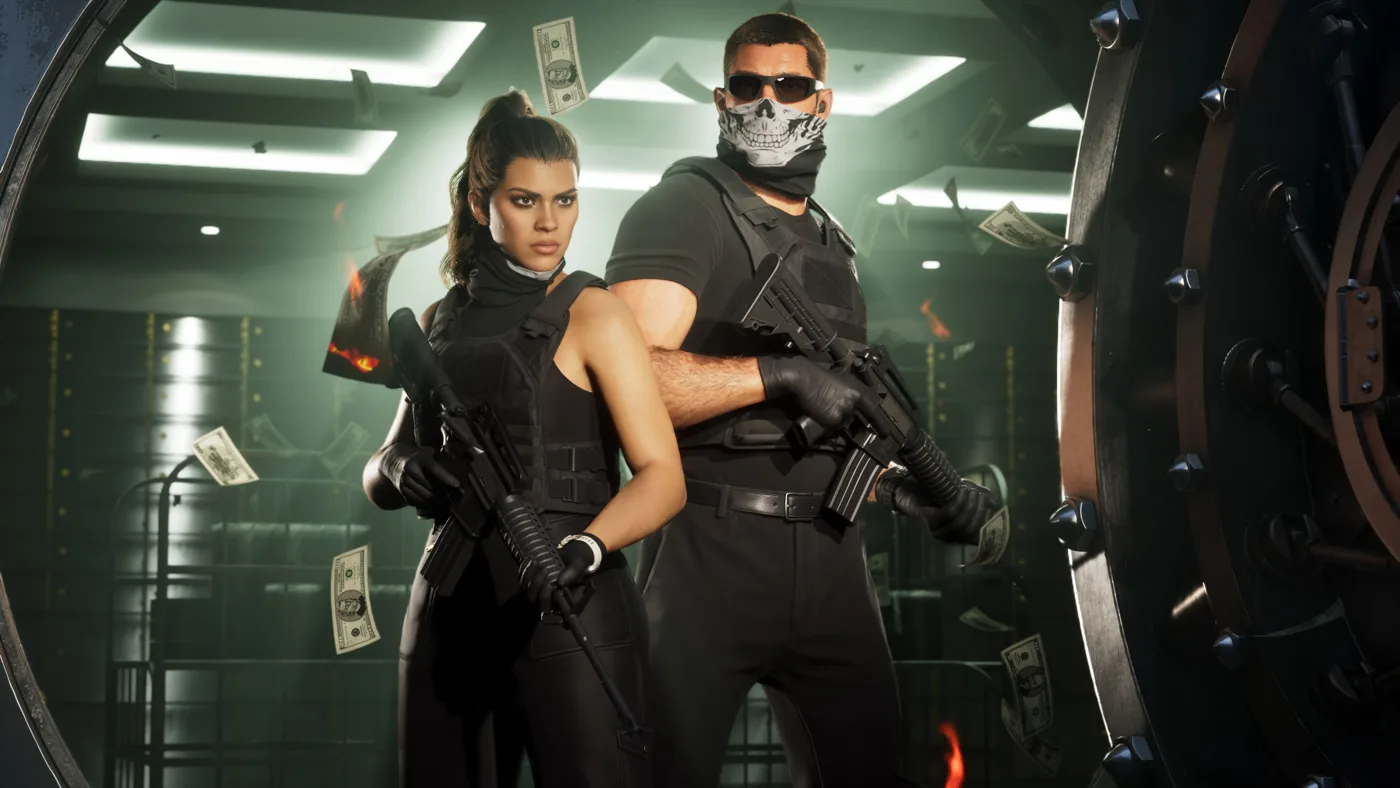
The idea: open up choices where they fit
In IGN’s interview, Rob Nelson explains Rockstar’s effort to open up missions without sacrificing narrative quality. GamesRadar+ revisited the statements on October 8, 2026. Concrete examples support the design goal, rather than unlimited freedom in every job. The useful question is which parts permit improvisation and which need a particular sequence.
The building with multiple exits
Nelson cites an Extended Look mission in which the characters try to escape a tower block. He explains that it has multiple exit routes. That establishes alternatives in that scenario, rather than usable paths through every window and door. A future walkthrough should identify available exits and conditions without mistaking scenery for a valid route.
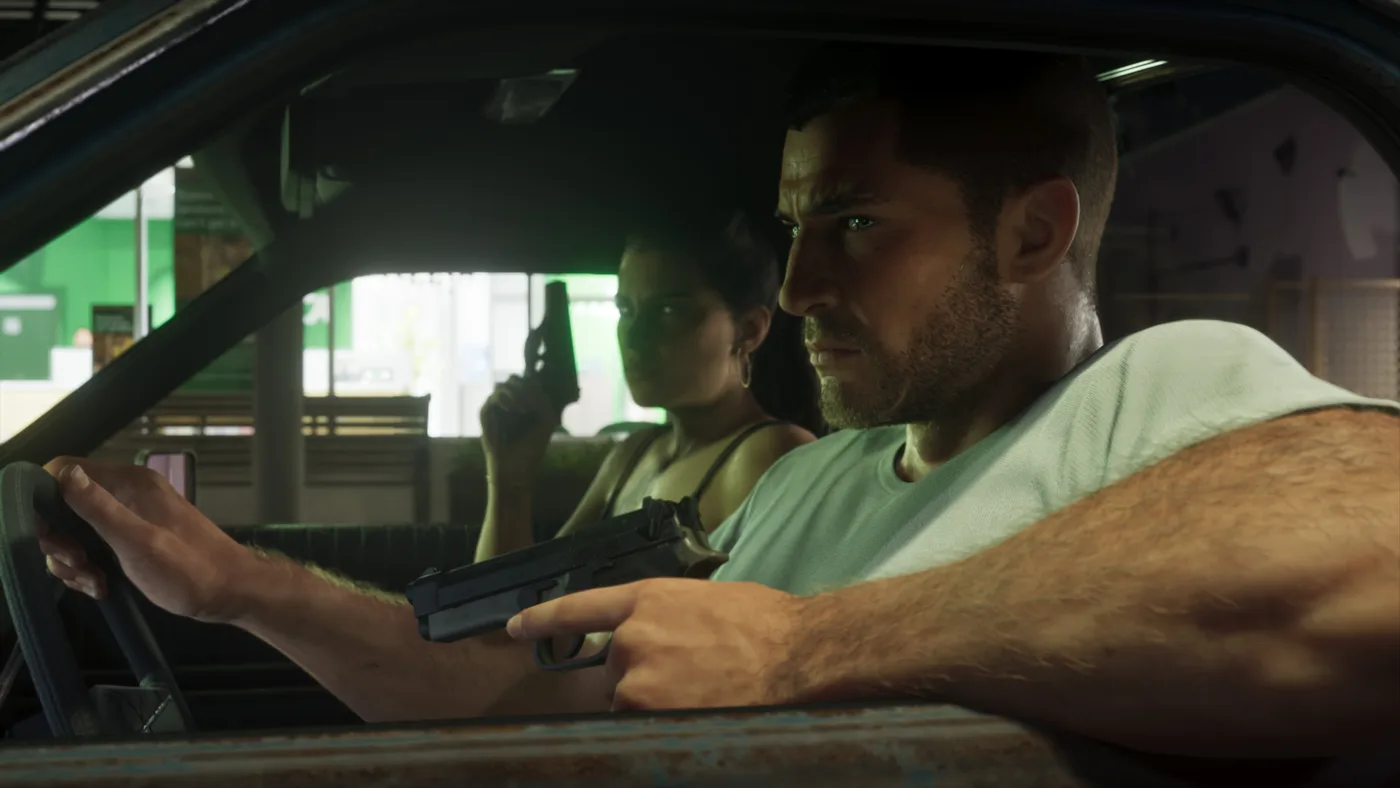
The Raul escape: when control changes
Another example begins with Jason shooting while Lucia drives, before control changes to driving. Nelson describes the first stretch as guided and says deviating from the suggested route later need not prevent escape. It combines staging with a systemic chase rather than removing every mission instruction.
This also distinguishes a capable AI driver from two-player cooperation. Switching seats or protagonists within the scene does not announce a second player controlling the session.
What a systemic mission means here
Here the point is consistency between systems such as pursuits or robberies inside missions and in free roam. In our analysis, that continuity lets players apply what they learned outside missions. It does not establish unrestricted reactions or scripts without failure states. Each mission needs checking before claiming every strategy works.
Route comparisons should separate tactical from narrative freedom. The former changes movement or obstacle handling; the latter changes the story’s outcome. Alternative exits chiefly support the first. Control timing matters too: a chase can begin as a guided sequence and open up later without contradiction. A documented walkthrough should mark that transition so readers know when a tested alternative becomes available, rather than falsely warning that every deviation fails the mission.
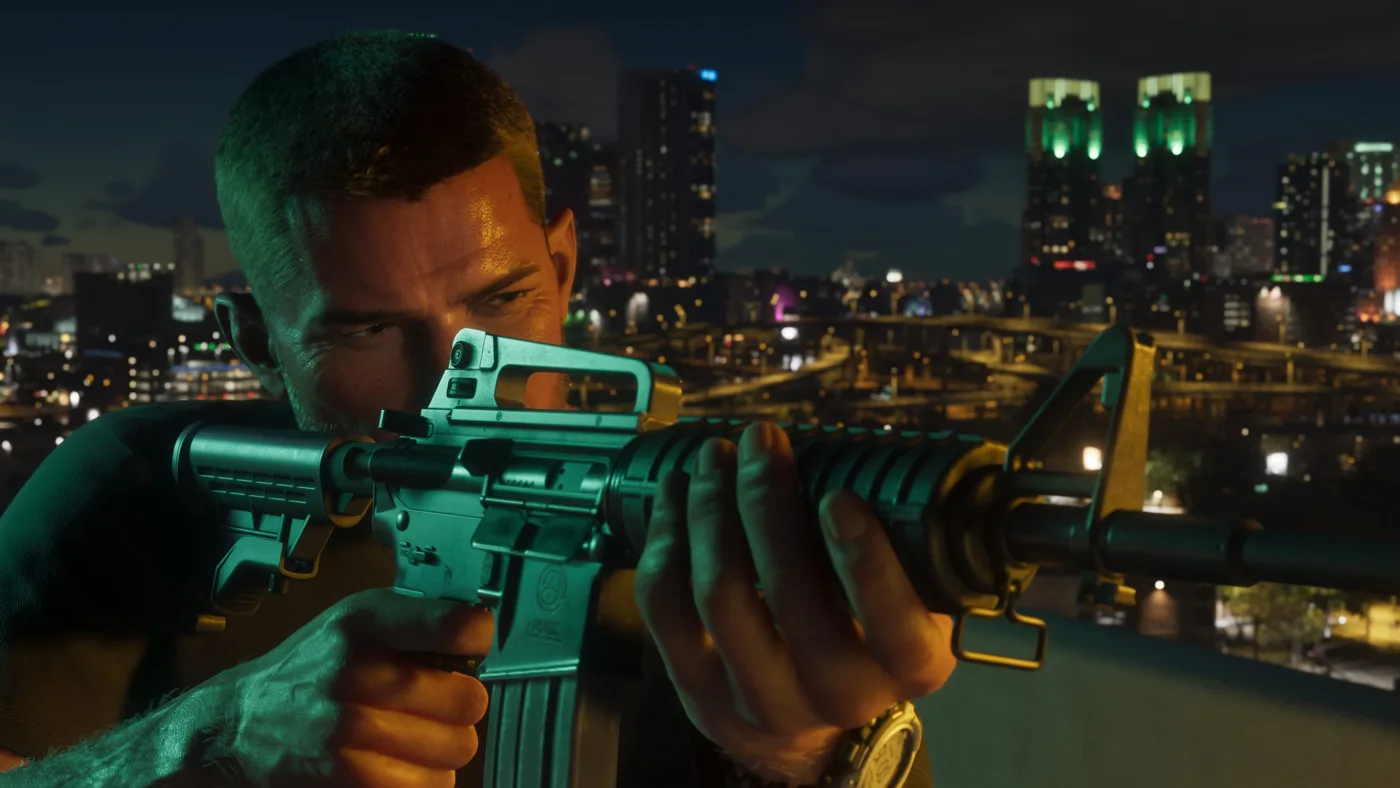
Replay value without inventing endings or mission counts
Trying another exit can change the route without changing the narrative outcome. Route, tactic and ending are different concepts often merged in headlines. The examples provide neither a mission total nor a complete choice tree or ending list. Our length guide separately covers reported playtime; this article examines different ways through one situation.
What a good mission walkthrough should demonstrate
Future walkthroughs should verify objectives, requirements, tested paths and failure conditions, identifying whether an alternative succeeded repeatedly. Until then, this is a preview-based design guide checked November 1, 2026. Official action images provide context without pretending to show every exit or a FansGTA-completed mission.